

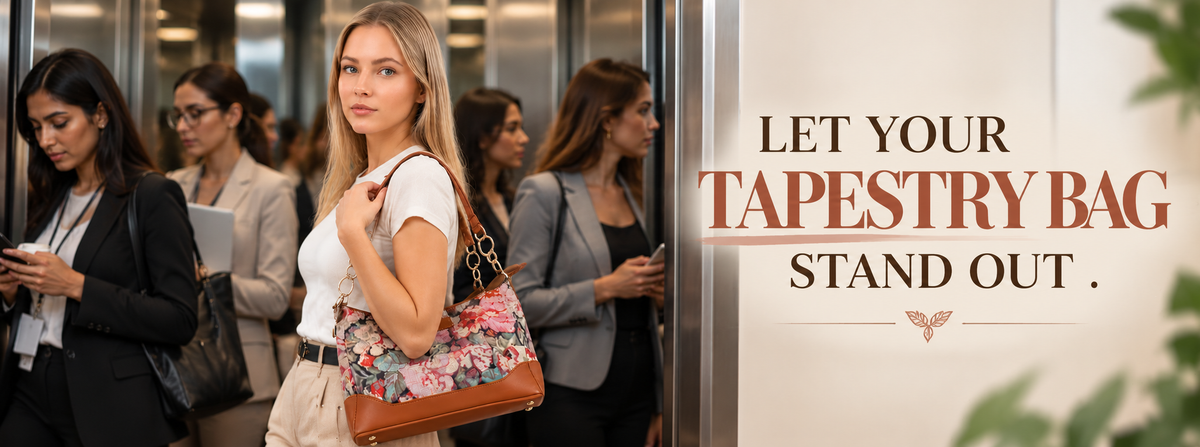
How to Style a Tapestry Bag Without Overwhelming Your Outfit
A Women tapestry bag can add character to an outfit through its woven texture, intricate patterns, and combination of colors. Unlike a plain handbag, which often blends easily into an outfit, a tapestry bag naturally attracts attention. That distinctive quality makes it an interesting accessory, but it can also raise a common styling question: how can you incorporate a patterned bag into your wardrobe without making the overall look feel too busy?
The answer lies in balance. You do not need to keep every other item plain or match your clothing perfectly to the bag. Instead, focus on how colors, patterns, textures, and proportions work together. Whether you prefer a tapestry shoulder bag, a tapestry crossbody bag, or a roomy everyday handbag, a few simple styling principles can help you make the most of its distinctive design.
1. Use Your Bag as the Starting Point
When an outfit feels difficult to coordinate, begin with the women tapestry bag rather than choosing every clothing item first. Look at the colors that appear most prominently in its design and identify one or two shades that could work with pieces already in your wardrobe. This creates a natural connection between the bag and the outfit without requiring an exact match.
For example, a tapestry bag featuring burgundy, cream, and olive details can work with dark denim, a cream top, or an olive cardigan. A design with blue and brown tones may pair comfortably with navy trousers, a white shirt, or warm neutral shades. You do not need to repeat every color in the pattern; even one complementary shade can help the outfit feel coordinated.
Styling tip: If the bag features many bright colors, use a neutral shade as the foundation of your outfit. Black, white, beige, cream, grey, and navy can give a colorful pattern enough visual space to stand out.
2. Understand the Difference Between Contrast and Clashing
A successful outfit does not need to match from head to toe. In fact, a little contrast can make a tapestry bag look more interesting. The important distinction is whether the different elements complement one another or compete for attention.
A colorful woven bag can look striking against a simple white shirt and dark trousers because the contrast gives the pattern room to stand out. Similarly, a tapestry handbag with earthy colors can complement denim, soft knitwear, or a solid-color dress. These combinations allow the bag to add detail without making the entire outfit feel overly complicated.
Clashing is more likely when several strong colors, large prints, decorative details, and contrasting textures are all introduced at once without a clear connection. If your bag already has a detailed floral or geometric design, choose clothing that supports its colors or shape instead of competing with its pattern.
Styling tip: Aim for one main visual feature. If the tapestry bag is the most detailed item, let other elements complement it rather than trying to become the focal point themselves.
3. Choose Patterns That Work Together
You can wear printed clothing with a tapestry bag, provided the patterns have enough balance. The easiest approach is to combine one detailed pattern with a simpler one. For instance, a bag with an intricate woven design may work with a fine striped top, a subtle check, or a small-scale print in a related color.
If both the bag and clothing feature bold patterns, look for a shared color or a similar visual style. A tapestry bag with botanical details may work with a subtle floral print, while a geometric bag may pair well with clean, simple patterns. Keeping the remaining accessories understated can help connect the different elements.
If you are unsure whether two prints work together, try the combination with a plain top or neutral outer layer first. This lets you introduce pattern gradually without needing to change your entire outfit.
Styling tip: When in doubt, let the tapestry bag be the main patterned accessory. A patterned scarf, printed jacket, and decorative shoes may all look appealing individually, but wearing them together with a detailed bag can create too much visual competition.
4. Let Texture Add Interest Without Adding More Color
Tapestry bags are appealing not only because of their patterns but also because of their woven texture. You can highlight this feature by pairing the bag with materials that have a different surface, such as denim, cotton, knitwear, linen, or smooth leather accessories.
A woven bag can add depth to a simple cotton outfit, while a tapestry crossbody bag can introduce texture to a soft sweater and tailored trousers. During cooler weather, a plain coat or cardigan can provide a calm background for the bag’s intricate details. During warmer months, lightweight fabrics can create a fresh contrast with the woven surface.
The aim is not to avoid texture elsewhere in the outfit. It is to choose textures that complement the bag rather than make the overall look feel crowded. A chunky knit, heavily embellished jacket, and richly patterned tapestry bag may compete with one another, while a simple knit or denim piece can allow the bag’s details to remain noticeable.
Styling tip: If the bag has a highly textured surface, start with smoother fabrics and add other textures only when they contribute something useful to the outfit.
5. Match the Bag’s Size and Shape to the Outfit
The shape and size of a bag influence the overall balance of an outfit. A compact tapestry crossbody bag can provide a decorative accent without taking up much visual space. A larger shoulder bag or handbag may become a more prominent feature, especially when its pattern contains several colors or large motifs.
Consider the overall proportions of your clothing when choosing a bag. A compact bag can work well with relaxed everyday outfits, while a roomier style may complement simple coats, straight-leg trousers, or uncomplicated dresses. The goal is to create a comfortable visual balance rather than following strict rules about which bag shape belongs with a particular outfit.
Practicality matters, too. A bag should have enough room for your everyday essentials and feel comfortable to carry. The most attractive design is not always the most useful choice if it does not suit your routine.
Styling tip: When choosing a bold tapestry bag, think about both its visual presence and its function. The right size and carrying style can make it easier to incorporate the bag into your regular wardrobe.
6. Keep Shoes and Other Accessories Connected
Shoes, belts, scarves, and jewelry can help complete an outfit, but they do not need to match the tapestry bag exactly. Neutral footwear is often a versatile choice because it does not compete with the bag’s pattern. White sneakers, black flats, brown boots, beige sandals, and simple loafers can work with many tapestry designs.
For a more coordinated appearance, repeat one shade from the bag in another part of the outfit. If the pattern contains brown details, brown shoes or a belt may create a subtle connection. If the bag includes navy or burgundy, a small accessory in a related shade can help the colors feel intentional.
Jewelry can follow the same principle. Simple earrings, a delicate necklace, or understated bracelets can complement a detailed bag without adding too much visual weight. More decorative accessories may also work, particularly when the tapestry pattern itself is relatively subtle.
Styling tip: Choose accessories to support the overall outfit, not simply because they match the bag. A coordinated look should feel natural rather than overly planned.
7. Adjust Your Styling to the Occasion
A tapestry bag can be styled for different settings by changing the clothing around it. For casual days, denim, simple tops, and comfortable footwear provide an easy foundation for a colorful bag. For work or more polished settings, a design in muted tones can complement tailored trousers, a plain blouse, or a classic jacket.
For dinners, celebrations, or other occasions, a tapestry handbag can add texture to a solid-color dress or a simple coordinated outfit. If the bag features a dramatic pattern, keep other decorative details relatively understated. If its design is subtle, you may have more freedom to experiment with jewelry, footwear, or another small accent.
Seasonal styling also offers flexibility. Lighter fabrics and soft colors can complement tapestry bags in spring and summer, while knitwear, coats, and deeper shades can work well in autumn and winter. The same bag can look different across seasons simply by changing the materials and colors surrounding it.
Styling tip: Think about the setting, comfort, and practicality first, then use the tapestry bag to add personality to the outfit.
8. A Simple Formula for a Balanced Outfit
If you are unsure where to begin, use this easy formula when styling a tapestry handbag:
- Choose one foundation: Start with a simple outfit in a color that complements the bag.
- Identify a connecting shade: Repeat one color from the tapestry design in a top, jacket, belt, or pair of shoes.
- Limit competing details: Avoid adding several bold prints or heavily decorative accessories at the same time.
- Consider proportions: Select a bag size and shape that suit the outfit and your everyday needs.
- Finish with purpose: Add only the accessories that make the overall look feel complete.
This formula is flexible enough to work with different tapestry designs, from colorful florals to geometric patterns and vintage-inspired motifs. As you become more comfortable combining patterns and textures, you can experiment with more adventurous outfits while maintaining a sense of balance.
Make Your Tapestry Bag Part of Your Personal Style
A tapestry bag does not have to be reserved for special occasions or paired with a carefully planned outfit. Its colors, texture, and pattern can bring fresh interest to clothing you already own. The most useful approach is to understand what makes the bag distinctive and then choose pieces that complement those qualities.
Whether you prefer a tapestry shoulder bag, a tapestry crossbody bag, or a larger everyday handbag, let your personal preferences guide the final combination. Use neutral shades when you want the pattern to stand out, experiment with complementary colors when you want a more coordinated appearance, and introduce other prints or textures when they genuinely work together. With a little attention to balance, a tapestry bag can become a versatile part of your wardrobe rather than an accessory that is difficult to style.
Leave a comment